

Can a small tracked paver be used for paving in wet conditions? This is a question that many construction professionals, civil engineers, and contractors often ask. As a supplier of high - quality small tracked pavers, I'm here to delve into this topic and provide you with some comprehensive insights.
Understanding Small Tracked Pavers
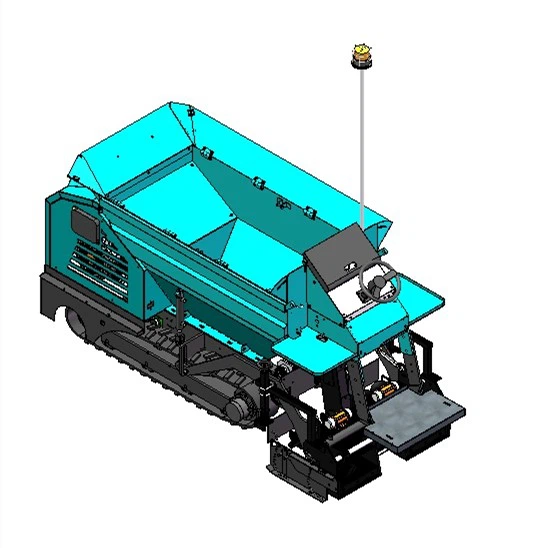
Before we discuss using small tracked pavers in wet conditions, it's essential to understand what these machines are. Small tracked pavers are compact construction equipment designed for paving various surfaces, including small roads, driveways, sidewalks, and shoulders. They offer several advantages, such as high maneuverability, ease of operation, and the ability to work in tight spaces.
We offer a range of small tracked pavers, including the Small Scale Engineering Crawler Paver, Mini Tracked Asphalt Paver, and Track Asphalt Paver for Road Shoulders. These pavers are engineered with precision to ensure efficient and uniform paving, even in challenging terrains.

Challenges of Paving in Wet Conditions
Paving in wet conditions presents multiple challenges regardless of the type of paver used. One of the primary issues is the impact on the asphalt mix. Asphalt is a mixture of aggregates and bitumen, and water can disrupt the bonding process. When water comes into contact with the asphalt mix, it can prevent the bitumen from properly coating the aggregates. This leads to a weaker asphalt structure, which may result in premature cracking, raveling, and reduced durability of the paved surface.
Another challenge is the effect of wet conditions on the traction of the paver. Small tracked pavers rely on their tracks to move smoothly and evenly along the paving surface. In wet conditions, the tracks may lose traction, causing the paver to skid or slip. This can result in an uneven paving surface, with inconsistent thickness and texture. Additionally, water on the ground can make it difficult for the paver to maintain a straight path, leading to misaligned paving.
Can Small Tracked Pavers Be Used in Wet Conditions?
The short answer is yes, but with significant limitations and precautions. Small tracked pavers can be used in light rain or damp conditions, but heavy rainfall or standing water is a major no - go.
In light rain or damp conditions, the key is to ensure that the asphalt mix remains dry. This can be achieved by covering the asphalt storage area and the paver hopper. Using a waterproof tarp to cover the hopper can prevent rain from directly falling on the asphalt mix. Some advanced small tracked pavers are also equipped with heated components that can help to keep the asphalt warm and dry, reducing the impact of moisture.
Regarding traction, modern small tracked pavers are designed with advanced track systems that provide better grip. However, it's still important to proceed with caution. Operators should reduce the speed of the paver to minimize the risk of skidding. Additionally, they should constantly monitor the paving surface and the paver's movement to ensure that the paving is being done evenly.
Benefits of Using Small Tracked Pavers in Wet - Tolerable Situations
If the wet conditions are not severe, using a small tracked paver can still offer several benefits. For example, in some construction projects, there may be strict timelines, and waiting for the weather to clear might not be an option. Using a small tracked paver allows contractors to make the most of the available time and continue with the paving process.
Small tracked pavers are also more adaptable to different terrains. In wet conditions, the ground may become softer, and the tracks of these pavers distribute the weight more evenly compared to wheeled pavers. This reduces the risk of the paver sinking into the ground, which is a common problem with wheeled equipment in soft, wet soil.
Precautions and Best Practices
If you decide to use a small tracked paver in wet conditions, there are several precautions and best practices you should follow.
- Surface Preparation: Before starting the paving, ensure that the surface is as dry as possible. Use a squeegee or a blower to remove any standing water. If the surface is too wet, it may be necessary to wait for it to dry or use a de - icing agent to accelerate the drying process.
- Asphalt Mix Control: closely monitor the moisture content of the asphalt mix. If the mix becomes too wet, it may need to be discarded or re - heated and dried. It's also important to maintain the proper temperature of the asphalt throughout the paving process.
- Operator Training: Ensure that the paver operator is well - trained in working in wet conditions. They should be familiar with the potential challenges and know how to adjust the paver's settings, such as speed and vibration, to achieve the best results.
- Post - Paving Care: After the paving is complete, take extra care to protect the newly paved surface. Cover it with a waterproof membrane if possible to prevent further water damage. Also, allow sufficient time for the asphalt to cure before subjecting it to traffic.
Conclusion
In conclusion, while small tracked pavers can be used in wet conditions, it's a task that requires careful planning, proper precautions, and experienced operators. The challenges posed by wet conditions, such as the impact on the asphalt mix and the paver's traction, need to be addressed to ensure a successful paving project.
If you're considering using a small tracked paver for your next project, whether in normal or wet - tolerable conditions, we have a wide range of products to meet your needs. Feel free to contact us to discuss your specific requirements and we'll be glad to assist you in finding the perfect small tracked paver for your project.
References
- Asphalt Institute. (20XX). "Best Practices for Paving in Challenging Conditions."
- Construction Equipment Manufacturer's Association. (20XX). "Technical Guide for Small Tracked Pavers."