


For contractors and fleet managers, the hydraulic system represents the central nervous system of a compact excavator. It governs every movement-from the finesse of a grading pass to the brute force of a breaker attachment. Yet, durability remains the single most elusive quality to evaluate during a walk-around inspection. Sales brochures highlight pump flow rates and auxiliary pressures, but they rarely speak to longevity under real-world loads. To make a confident buying decision, one must move beyond spec sheets and adopt a systematic, evidence-based approach to hydraulic health.
The first layer of assessment begins with thermal management. Heat is the primary catalyst for hydraulic component failure, breaking down oil viscosity and degrading seal integrity over time. When evaluating a machine, inquire about the cooling package's design margin-specifically, the rated ambient temperature at which the system can operate continuously without derating. A well-engineered cooler with a large frontal area and a hydraulically driven fan offers superior performance compared to belt-driven alternatives, particularly in high-dust environments where cooling fins clog rapidly. Look for evidence of oversized return-line filters, as these indicate that the manufacturer prioritized oil cleanliness over cost savings.
Next, examine the pump architecture. Most compact excavators use axial-piston pumps, which are sensitive to case-drain flow and swashplate wear. Before starting the engine, remove the pump case-drain hose and inspect for metallic shimmer in the residual oil-a telltale sign of impending failure. During operation, listen for unusual whining or chattering under load, which often points to worn pistons or a failing compensator. Additionally, perform a simple relief-valve test: stall the boom or arm circuit against a solid object and observe whether the pump maintains steady pressure without erratic fluctuations. A healthy system should hold within 5% of its rated pressure without audible bypass noise.
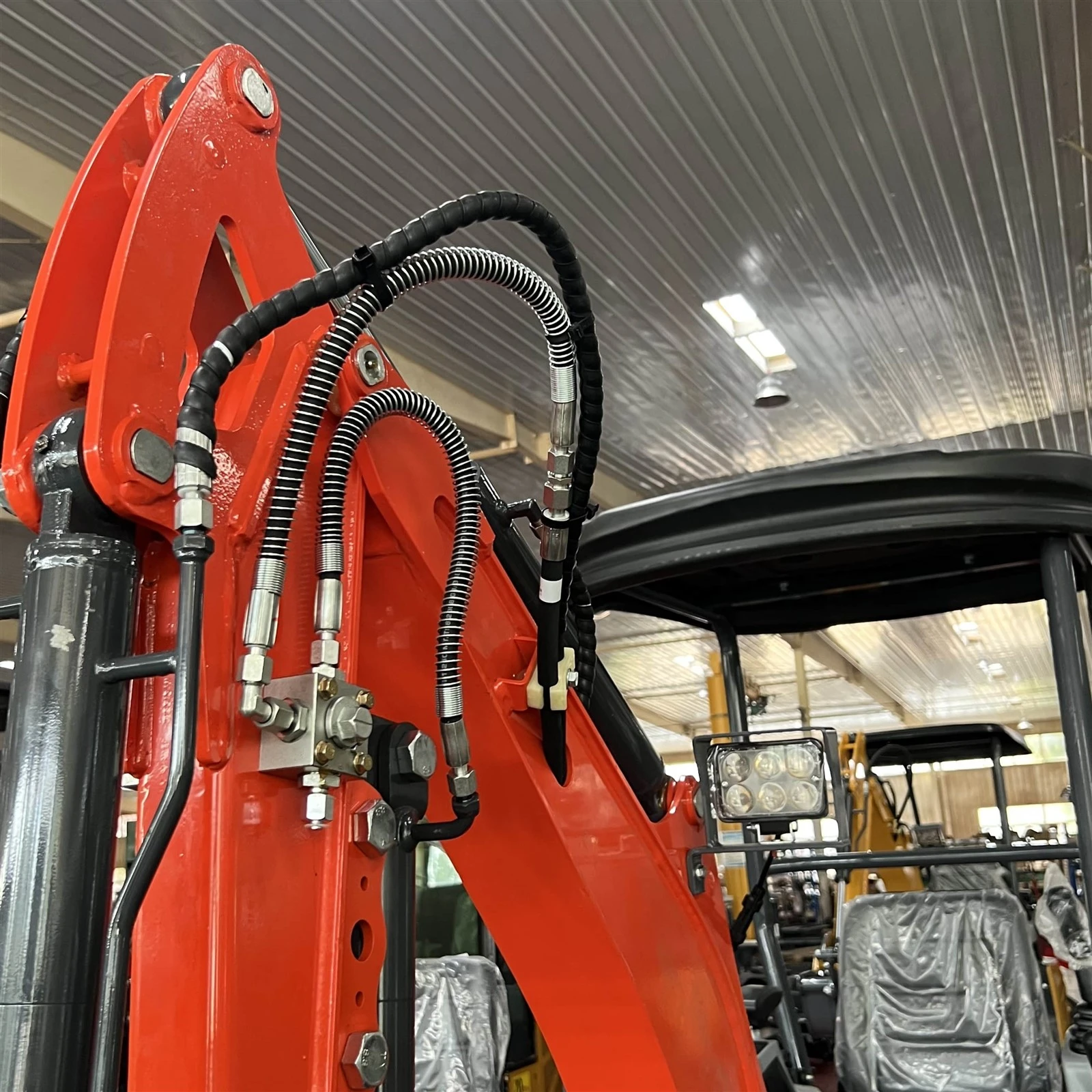
The quality of hydraulic tubing and hose routing also offers crucial clues. Durable systems utilize thick-walled steel tubing with robust brazed fittings, particularly on the high-pressure side between the pump and the main control valve. Examine how hoses are secured: loose clamps or improperly routed lines that chafe against structural members are red flags, as they invite pinhole leaks and catastrophic bursts over time. Pay special attention to swivel joints at the boom pivot and bucket linkage; these points endure constant oscillation and are prone to wear. A well-protected system will feature abrasion-resistant sleeving and strategic guarding around exposed lines.
Another often-overlooked indicator is the hydraulic tank design and its associated breather assembly. A pressurized reservoir with a high-efficiency air filter prevents atmospheric contamination from entering the system during thermal cycling. Inspect the sight glass or dipstick for foam or a milky appearance, which suggests water ingression-a chronic problem in machines stored outdoors. Furthermore, ask about the tank's internal baffling; proper baffling reduces oil aeration and ensures a steady supply to the pump inlet, which is vital for cavitation prevention during steep inclines or aggressive slew maneuvers.
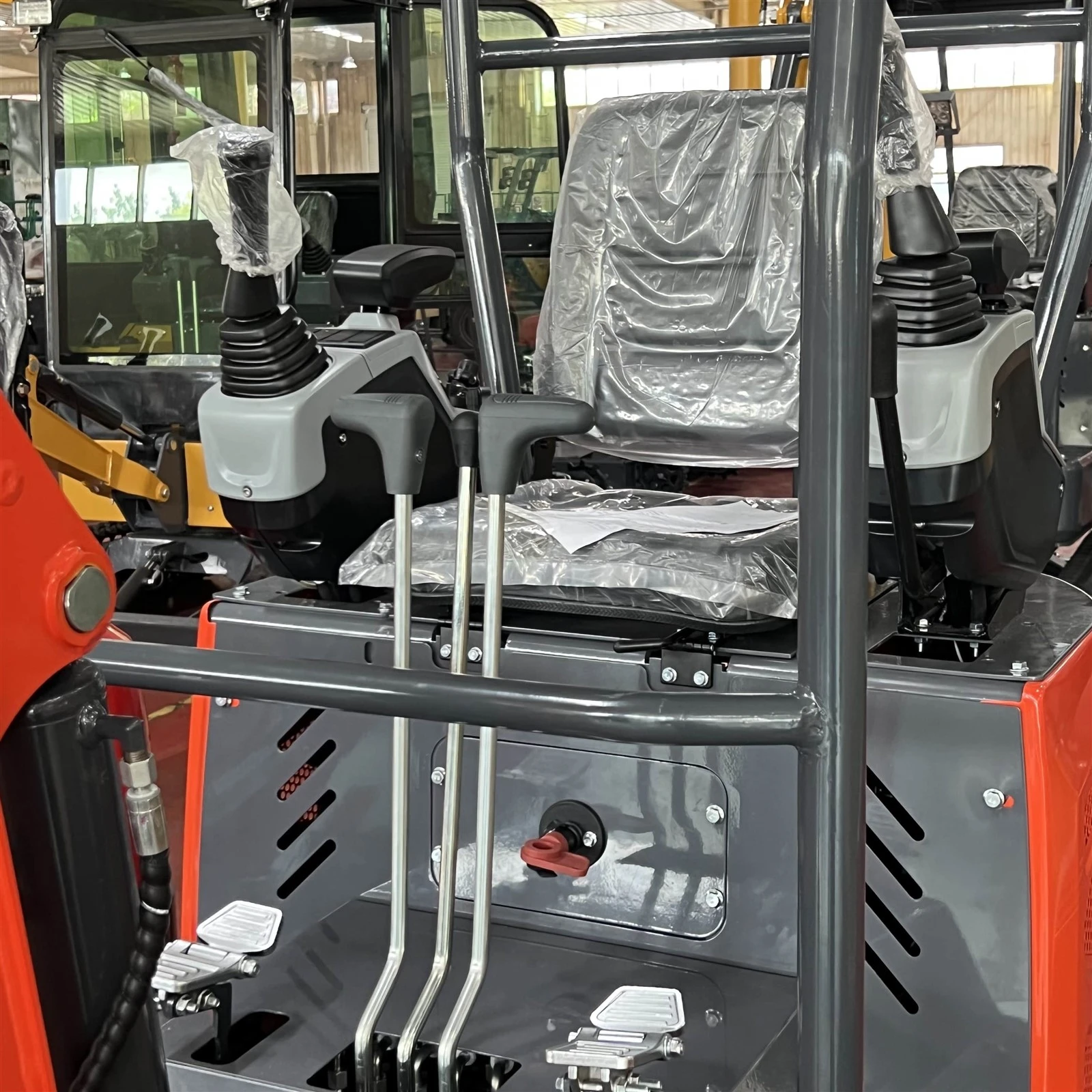
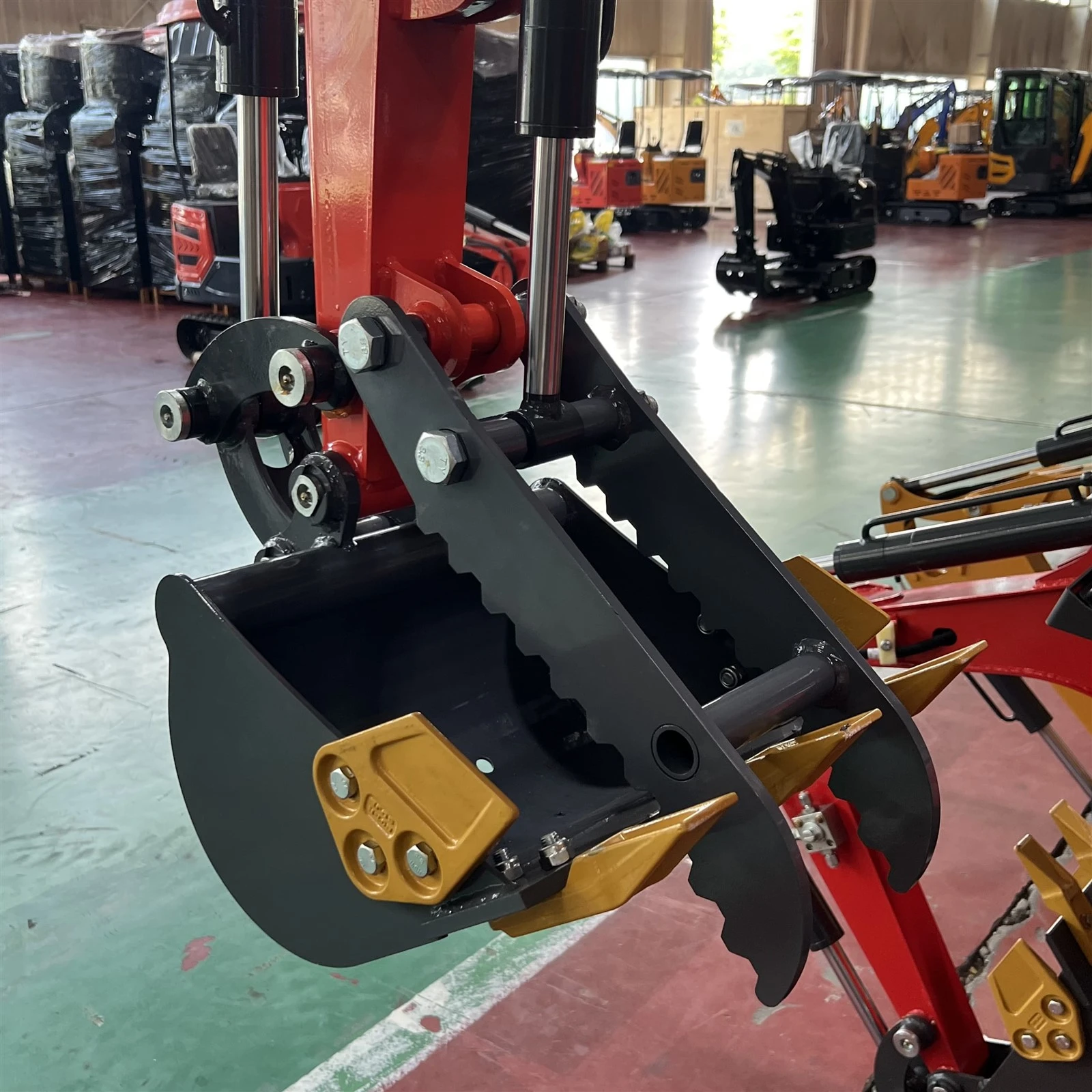
Attachment compatibility further tests hydraulic resilience. The auxiliary circuit, used for breakers, augers, or compactors, sees some of the most punishing duty cycles. Verify that the system offers bi-directional flow with adjustable relief settings, allowing the operator to match pressure and flow to the attachment's requirements. More importantly, assess whether the machine includes a return-line oil cooler bypass or a dedicated case-drain return port; these features prevent back-pressure damage to high-flow attachments. A durable auxiliary system also incorporates proportional control via the joystick, enabling feathering and reducing sudden pressure spikes that shock the entire circuit.
Beyond physical inspection, maintenance accessibility dictates long-term durability. A system designed for serviceability-with grouped test ports, easily replaceable filters, and clear labeling on valve banks-suggests that engineers considered the owner's experience beyond the warranty period. Verify that the main relief valve and compensator adjustments are not sealed or tamper-proof, as this allows for future tuning as components wear. Review the recommended oil-change intervals and filter micron ratings; shorter intervals with finer filtration often point to a conservative, reliability-first engineering philosophy.
Finally, never underestimate the value of operational history and telematics data if the machine is used or demoed. Request oil sampling reports from previous services, paying attention to ISO cleanliness codes and trending wear-metal concentrations (iron, copper, and silicon). A sudden spike in these elements over the last 100 operating hours is more telling than any static test. For new units, ask the dealer about the factory break-in procedure and whether the initial oil change was performed at the specified hour-this early fluid exchange removes casting debris and break-in metals, setting the foundation for a long service life.
In conclusion, hydraulic durability in a compact excavator is not a single trait but a composite of thermal capacity, pump integrity, hose management, tank design, auxiliary robustness, and service access. By combining visual inspections with functional tests and historical data, a buyer can separate machines built for the long haul from those designed only to impress on the showroom floor. The extra hour spent scrutinizing these details often translates to thousands of dollars in avoided repairs and downtime over the equipment's lifecycle.