


There's a quiet crisis happening in the landscaping and property maintenance industry right now. Across North America and Europe, property managers are struggling to find reliable crews to handle large-scale grounds maintenance. When you throw steep, uneven terrain into the mix, the problem gets even worse. Finding someone willing to push a heavy mower up a 45-degree incline on a hot July afternoon? That's a tough ask. This is exactly where remote control lawn mowers for slopes are stepping in to fill the gap.
For years, commercial property owners had two choices: hire expensive specialized crews with climbing equipment, or leave the hillsides overgrown and let insurance premiums skyrocket due to accident risks. Neither was a great option. But over the last two seasons, we've seen a massive shift. Landscape contractors are increasingly turning to remote-controlled machines that handle the steep stuff safely, without putting a human operator in harm's way.
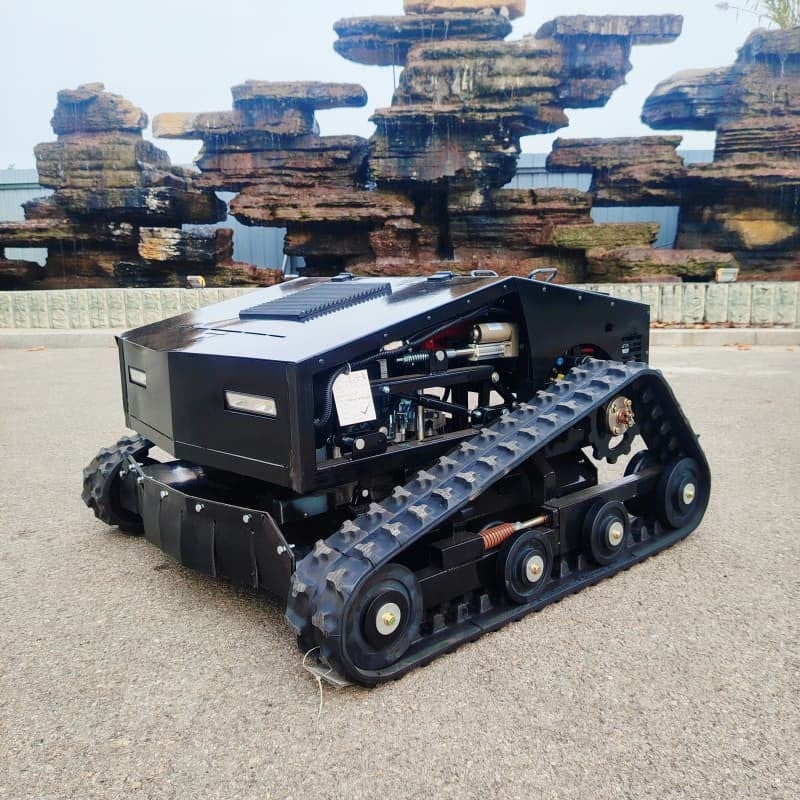
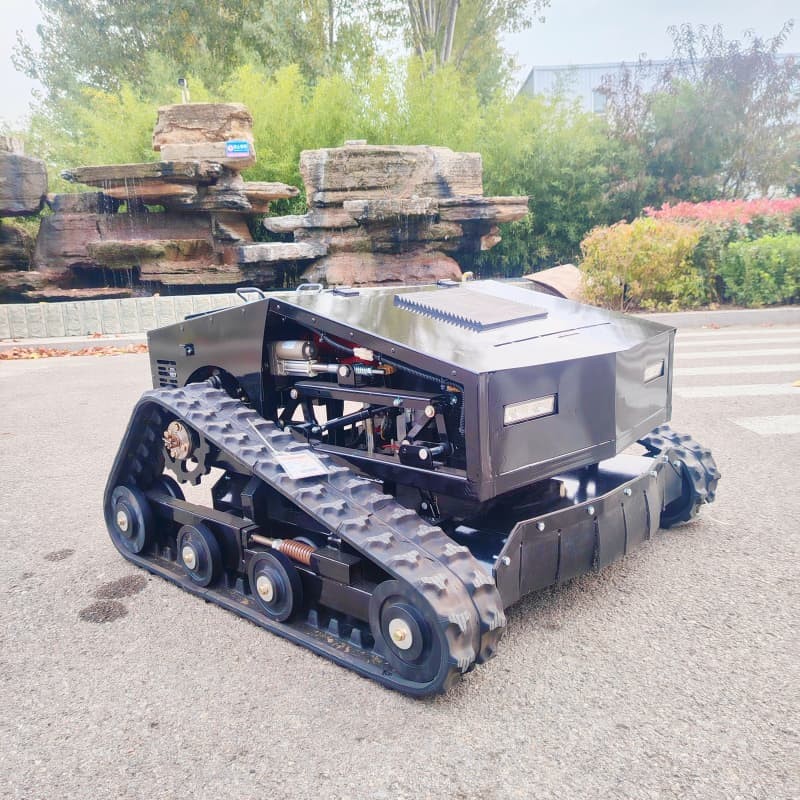
What's driving this change isn't just technology-it's economics. Labor costs in the landscaping sector have spiked nearly 15% year over year in many regions. Meanwhile, the price of these remote-operated machines has become more accessible. When you run the numbers, a single remote control mower can replace two or three manual laborers on a slope-heavy job site, paying for itself within a single summer season.
Beyond the cost savings, there's a safety aspect that property owners are starting to push for. OSHA and local safety authorities are paying closer attention to mowing-related accidents. A slip, a fall, or a rollover on a steep grade can lead to serious injuries and costly lawsuits. By moving the operator to a safe distance-often hundreds of feet away-these mowers effectively remove that risk entirely.

We're also starting to see these machines pop up in places beyond traditional grass-cutting. Municipalities are deploying them along highway embankments, dams, and landfill slopes where traditional equipment simply cannot go. The shift isn't happening overnight, but it's steady. As the workforce ages and younger generations avoid manual, high-risk outdoor labor, remote-controlled solutions are no longer a luxury-they are becoming the standard operating procedure for the modern property manager.