


Walk onto any urban job site these days, and you'll likely notice something different about the equipment lineup. The massive excavators that once dominated city blocks are being replaced by something noticeably smaller. Mini excavators are showing up in backyards, narrow alleyways, and even indoor renovation projects - and contractors are starting to ask whether these compact machines are worth the investment.
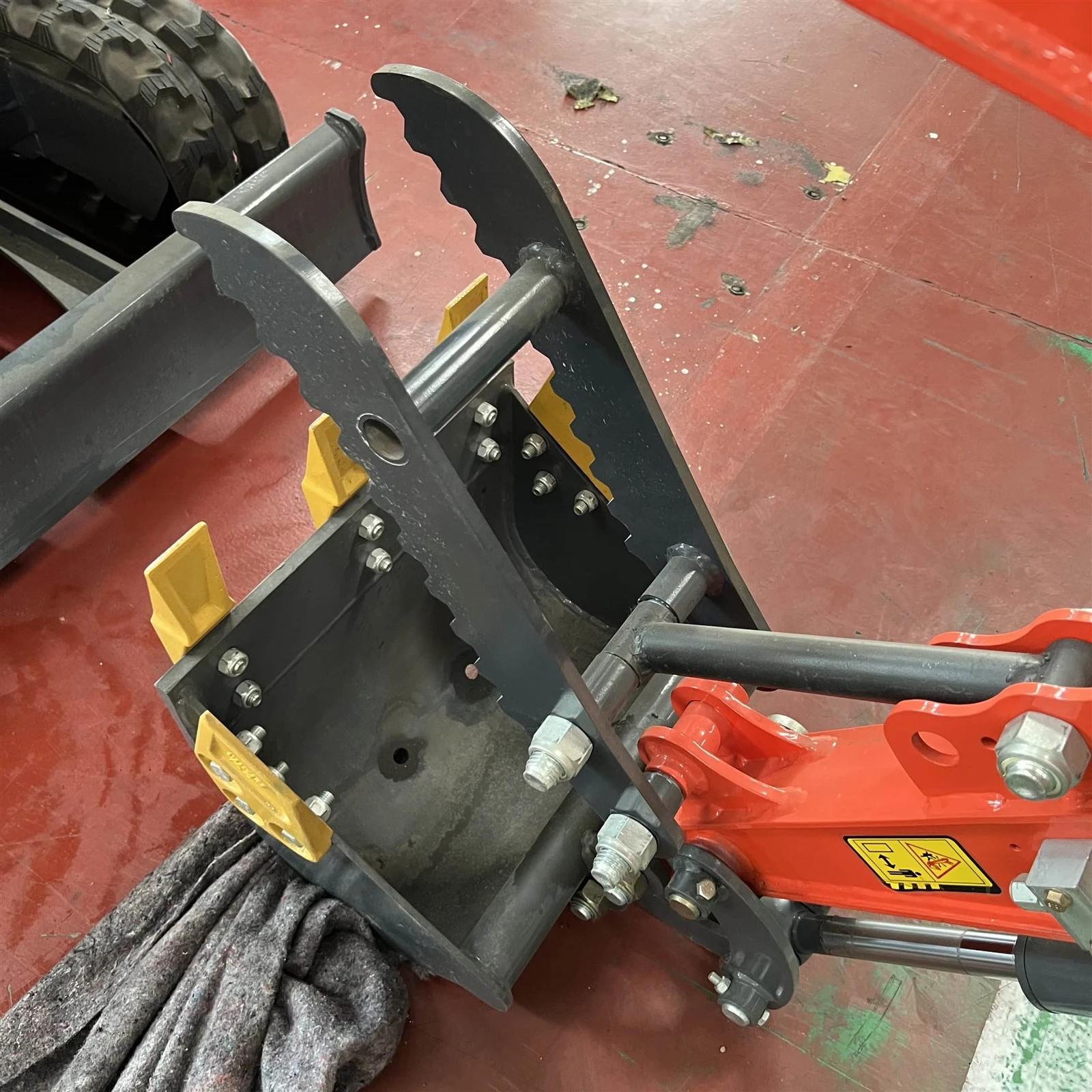
The appeal is straightforward. Space is at a premium in most construction environments today. Residential lots are tighter, commercial projects squeeze into existing footprints, and municipal work often happens right next to active traffic lanes. A full-sized excavator simply can't fit through a standard gate or operate alongside a busy street. Mini excavators, typically weighing between one and eight tons, slip into these gaps with ease. Their compact width - some models measure just over a meter across - allows them to pass through doorways, between fences, and around obstacles that would stop larger equipment dead in its tracks.
But it's not just about fitting through tight spaces. Contractors are also discovering that mini excavators handle a surprising range of tasks. They dig foundations for small additions, trench for utility lines, grade landscaping, and break up concrete with the right attachment. In many cases, a mini excavator replaces the need for multiple pieces of equipment - along with the extra labor to operate them. One machine, one operator, and a bucket of attachments can cover most small to medium excavation work.
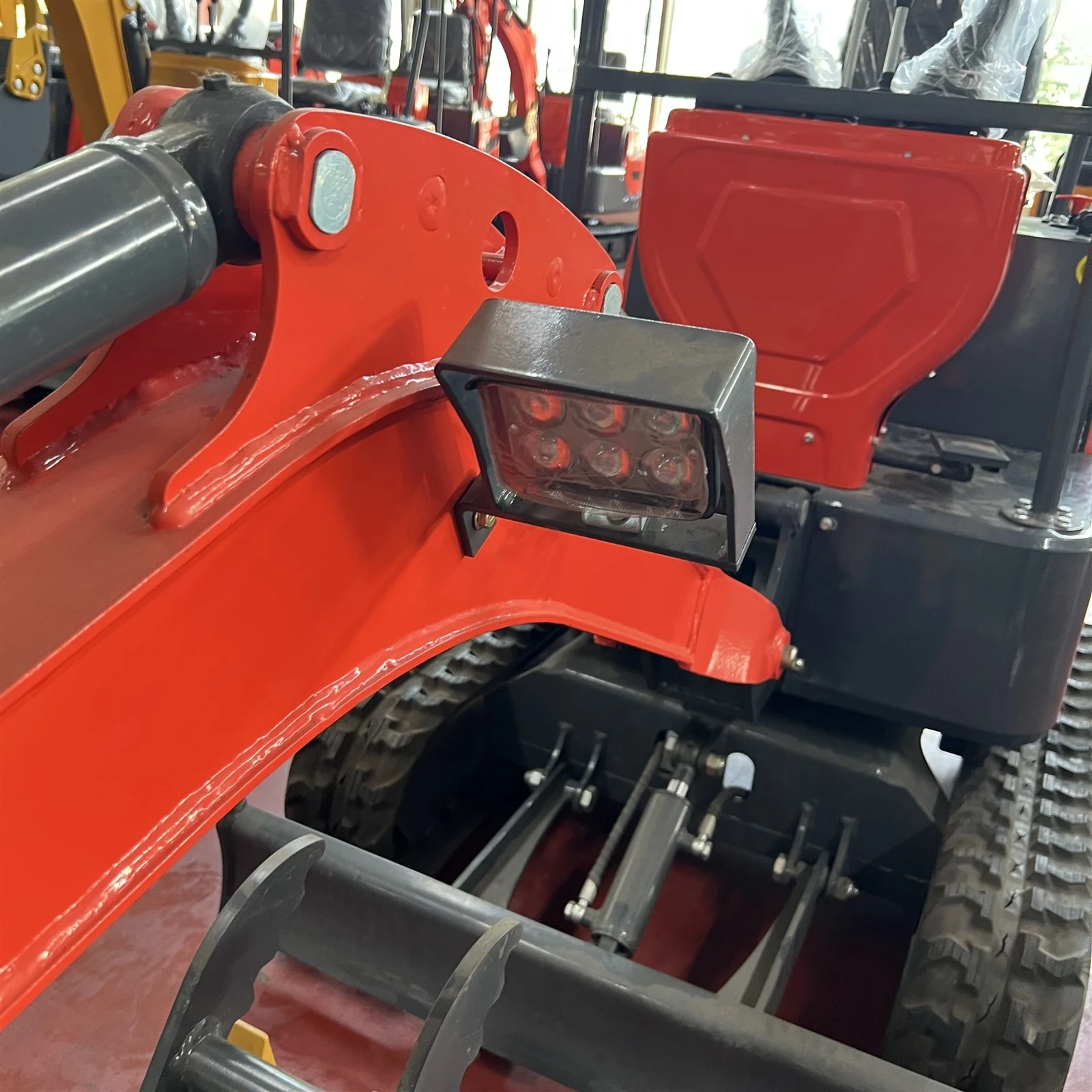
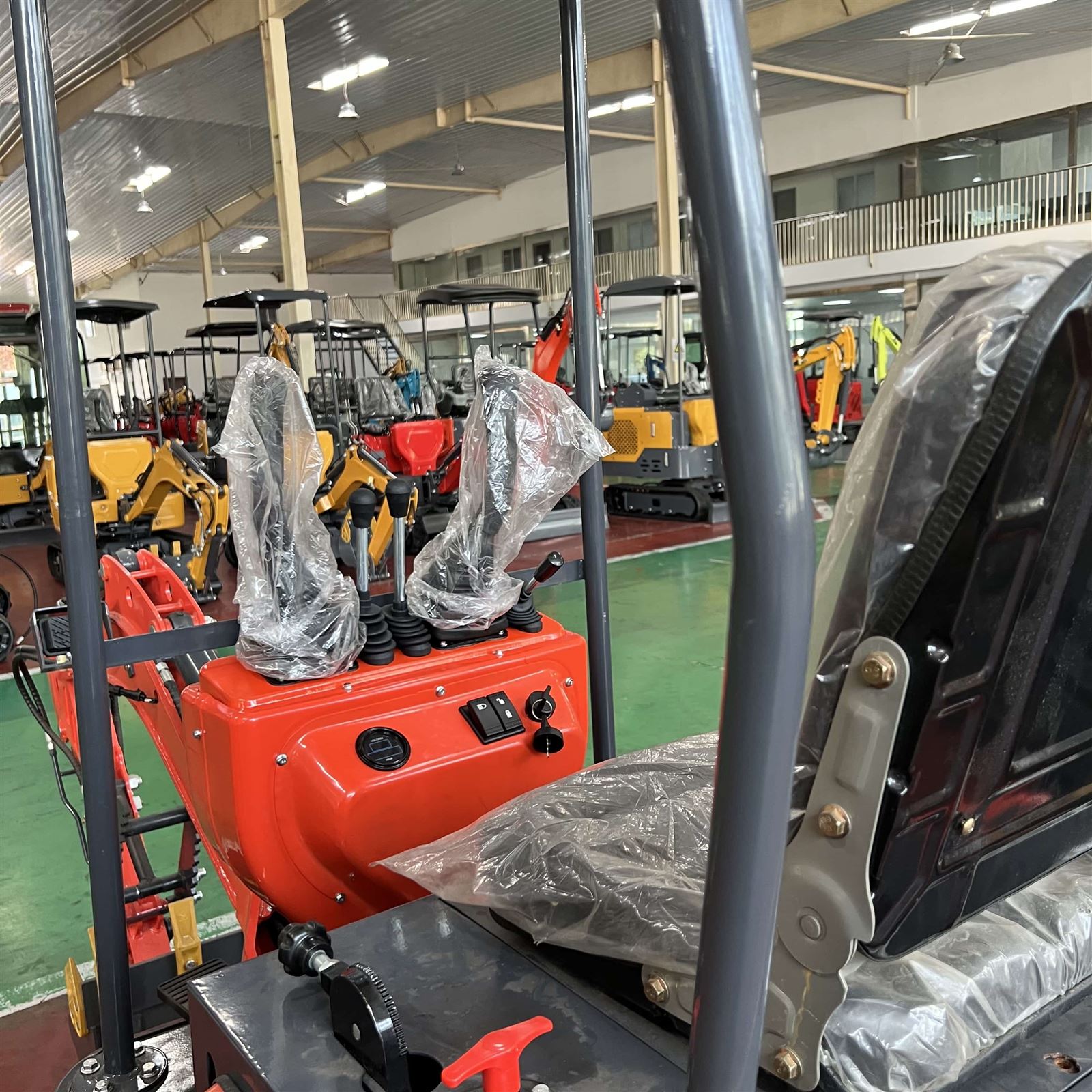
Cost is another factor driving the shift. Renting or buying a full-sized excavator is a significant expense, both upfront and in daily operating costs. Fuel consumption alone is notably higher on larger machines. Mini excavators use substantially less fuel, which matters over the course of a long project. They also require less maintenance, and their transport costs are lower - you can haul one on a standard trailer pulled by a pickup truck, rather than needing a heavy-duty flatbed.
Maneuverability is where the mini excavator truly shines. Many models offer zero-tail swing, meaning the rear counterweight doesn't rotate beyond the track width. This feature is a game changer when working against walls, fences, or alongside roadways. Operators can work in a single lane of traffic without blocking the entire street, or dig directly next to a building foundation without worrying about damaging the structure.

That said, there are limits. Mini excavators don't have the reach or lifting capacity of their larger counterparts. Deep excavation, heavy demolition, or large-scale earthmoving still demands bigger machinery. The smaller bucket size means more passes to move the same amount of material, which can slow down larger jobs. And while they're versatile, they're not a substitute for specialized equipment like skid steers or trenchers in every scenario.
So, is the investment worth it for contractors facing space constraints? For many, the answer is yes. The initial purchase price is far more accessible than a full-size machine, and the operating costs are lower. Contractors working in residential neighborhoods, urban infill projects, or any site where access is limited often find that a mini excavator pays for itself within a few jobs. It opens up work they might otherwise have to turn down or do by hand.
The learning curve is short, too. If you've operated any excavator, the controls are familiar. The main adjustment is getting used to the smaller machine's faster response and quicker cycle times. Most operators adapt within a day or two.
What's clear is that mini excavators aren't just a passing trend. They're filling a real gap in the market - a need for compact, efficient, and affordable digging power where space is limited and schedules are tight. As urban areas continue to densify and renovation work grows, contractors who've invested in these machines are finding themselves well-positioned for the jobs others can't easily take on.